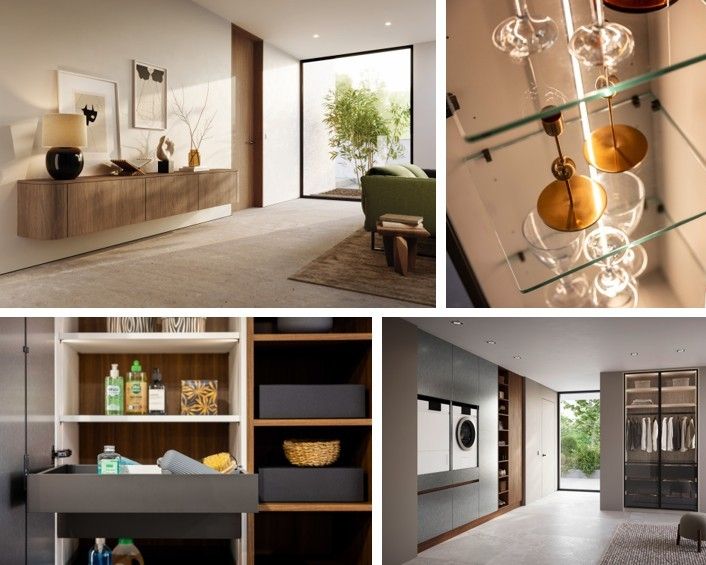
As homeowners increasingly demand cohesive interior design, Rotpunkt has outlined the key trends shaping contemporary homes in 2026. From the kitchen and utility room to the living space, bedroom, bathroom, and dressing area, the market is embracing a consistent theme of furniture that harmoniously flows throughout the home.
Matt Phillips, head of UK operations at Rotpunkt, explains: “Lifestyle-led design continues to influence the latest trends. Homeowners are seeking whole-house furniture solutions that deliver a unified look, while supporting functional, flexible living spaces. In 2026, fitted furniture will play a central role in creating versatile ‘flex rooms’ that adapt to multiple household needs without compromising on style.”
Here’s a breakdown of the top furniture trends for the contemporary home in 2026, according to Rotpunkt:
1. Unified Style Across Every Room
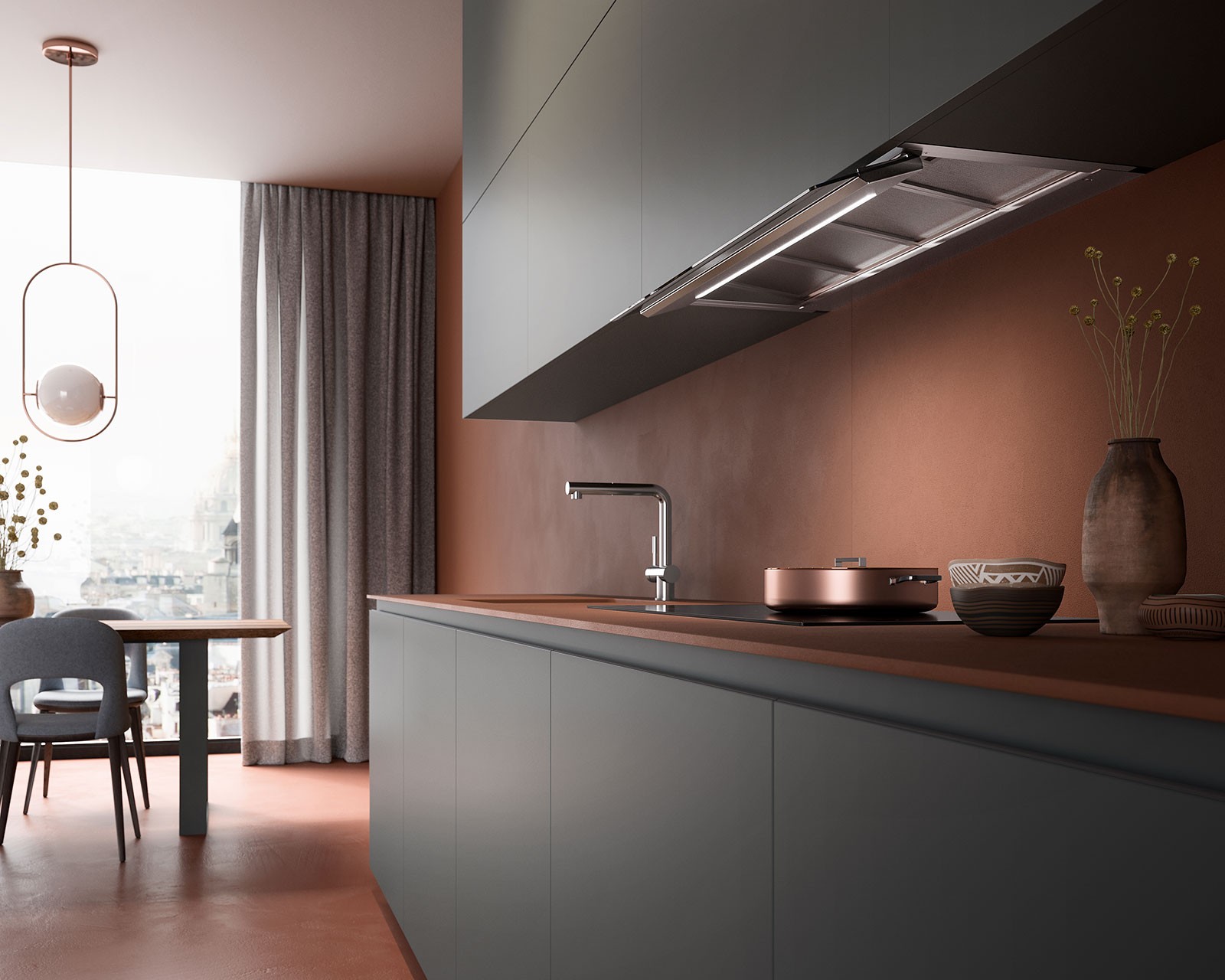
From contemporary handleless furniture in the kitchen, utility, and laundry to floating media units, home bar solutions, and fully integrated wardrobes for the dressing room, the dominant furniture style in 2026 is uniformity.
However, the best-dressed interiors are not rigid. The most sought-after schemes use creative storage solutions in complementary styles, materials, and colours to ensure furniture flows seamlessly from room to room. Key designs include:
Curved panels and doors that create a homely aesthetic from kitchen to living room.
Non-standard furniture sizes to maximise storage and introduce varied heights for ergonomics and visual interest.
Elegant glass display cabinets for showcasing wares or creating boutique-style wardrobe space.
Customisable wall panel systems that add storage while freeing up floor space.
Deep drawers with internal modules to house everything from cleaning essentials to favourite shoes.
Illuminated shelving and innovative full-height doors that translate across kitchen, living space, bathroom, and bedroom.
2. Natural Tones and Textures
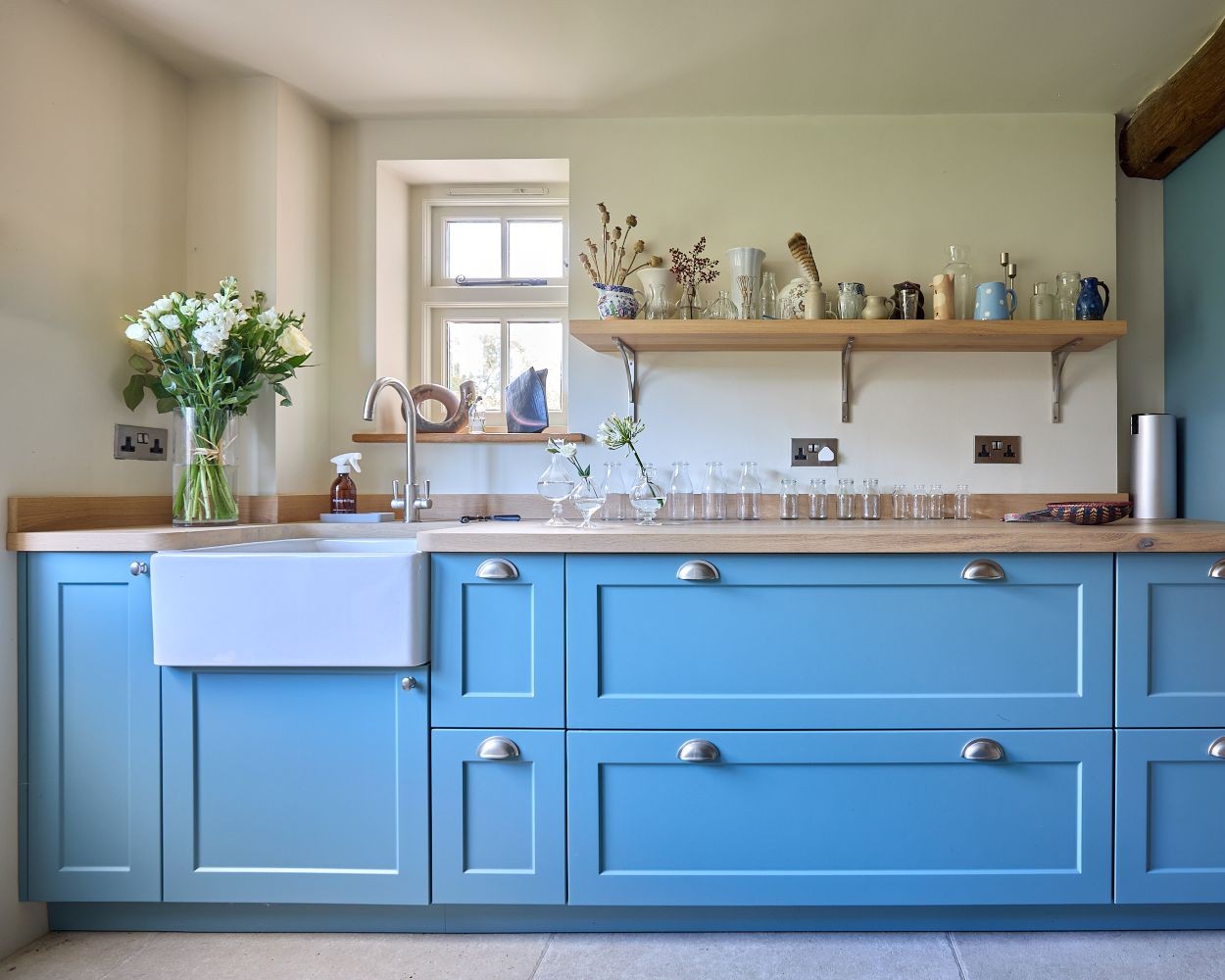
Natural tones and textures dominate furniture design in 2026. Different species of wood are used across doors, drawer fronts, cupboard interiors, shelving, and even wall cladding, creating a truly organic look and feel.
Other notable elements include:
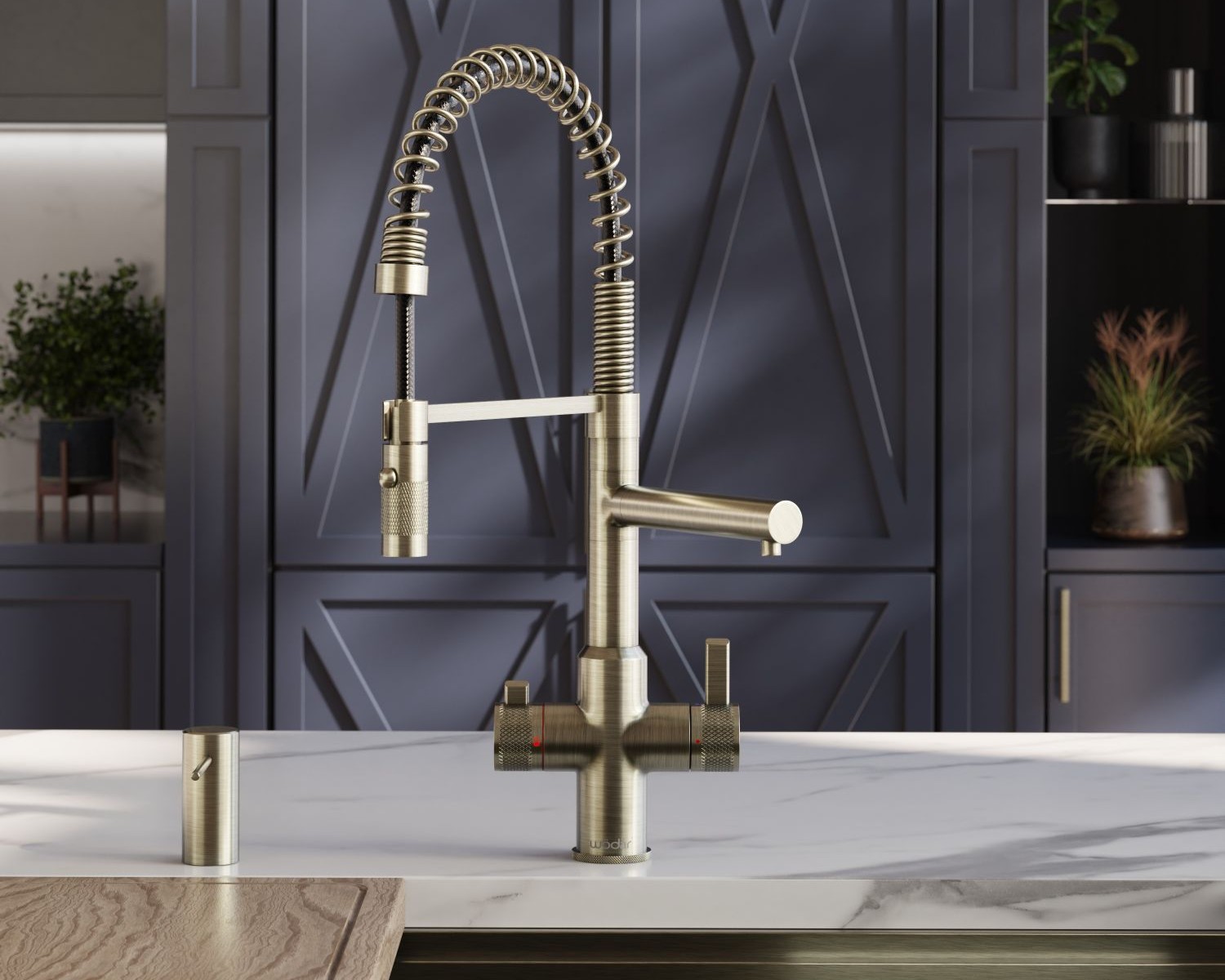
Metal surfaces in brass, copper, and steel paired with oak and walnut for a sophisticated touch.
Tinted glass and metal with bronze or brass undertones.
Illuminated recessed handles and cabinetry to set the tone.
Rounded corner panels with soft lines to encourage flow and ease.
Durable near-neutral finishes providing a modern backdrop without defining individual room categories.
3. Flex Rooms for Modern Living
As homes increasingly represent the “centre of life,” furniture is being designed for hybrid living. 2026 interiors feature a cross-section of styles, shapes, and materials that can serve more than one room.
The trend of blended spaces continues as furniture adapts to personalised interiors that enhance the user experience. Examples include:
Open-plan kitchens with hidden utility and integrated dining.
Living spaces with home bars and cinema areas.
Master bedroom suites with boutique-style dressing areas, statement baths, or walk-in showers.
Furniture designed for flex rooms includes:
Extra-tall and extra-wide cabinets.
Single and double wall units to utilise vertical space.
Deep drawers with special modules for organisation.
Pull-out mechanisms to hide appliances or accessories.
Fully integrated smart lighting.
These solutions ensure that furniture blends popular styles, materials, and design features while remaining functional and visually harmonious.
Why Rotpunkt Leads the Way
As a leading German manufacturer of sustainable, whole-home furniture, Rotpunkt is uniquely positioned to set the tone for 2026 interiors. By combining style, practicality, and eco-conscious materials, their designs help homeowners achieve cohesive, contemporary living spaces that adapt to modern lifestyles.
Discover more about Rotpunkt’s 2026 furniture trends and explore how your home can achieve effortless style, flexibility, and sustainability.